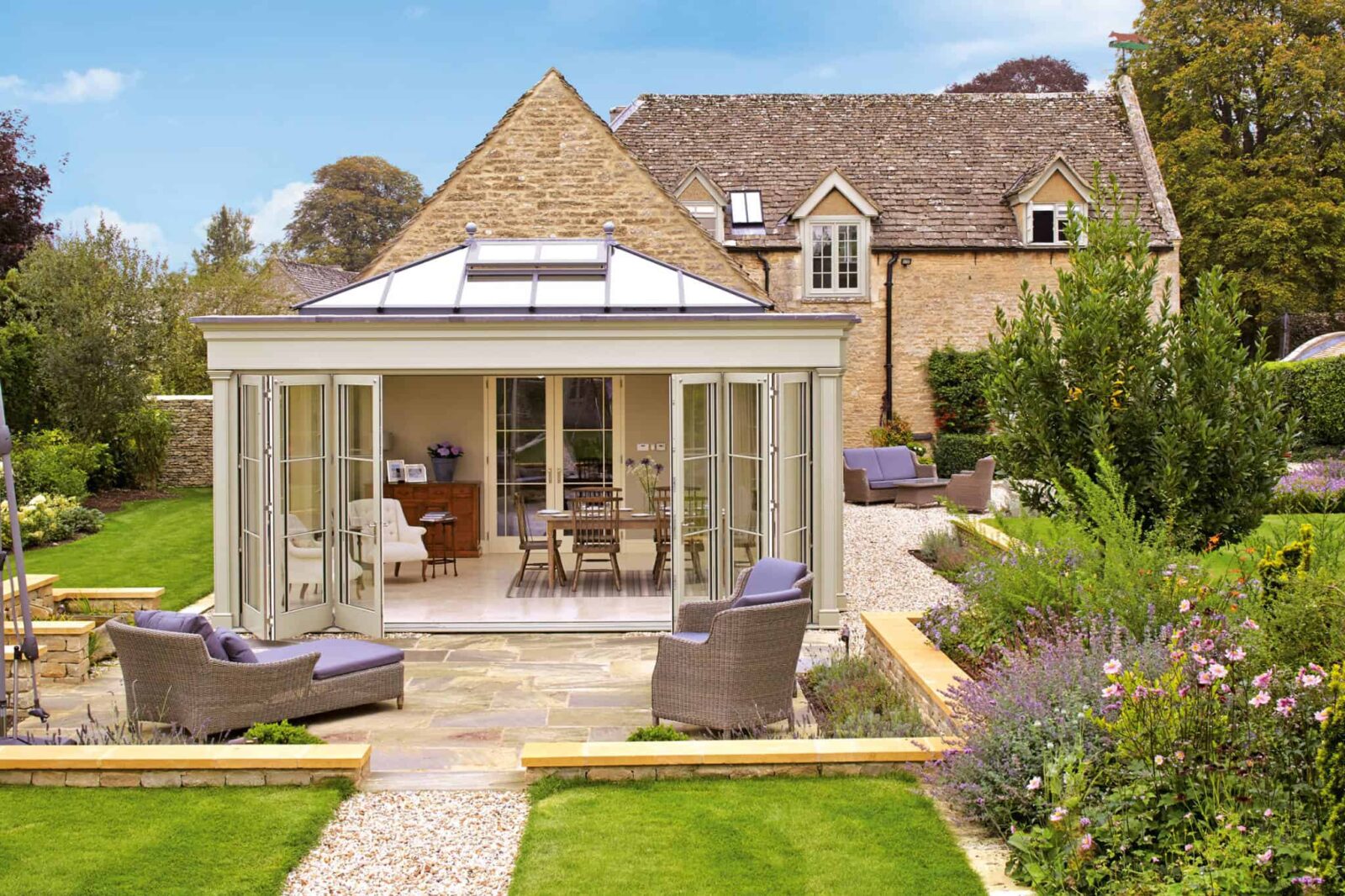
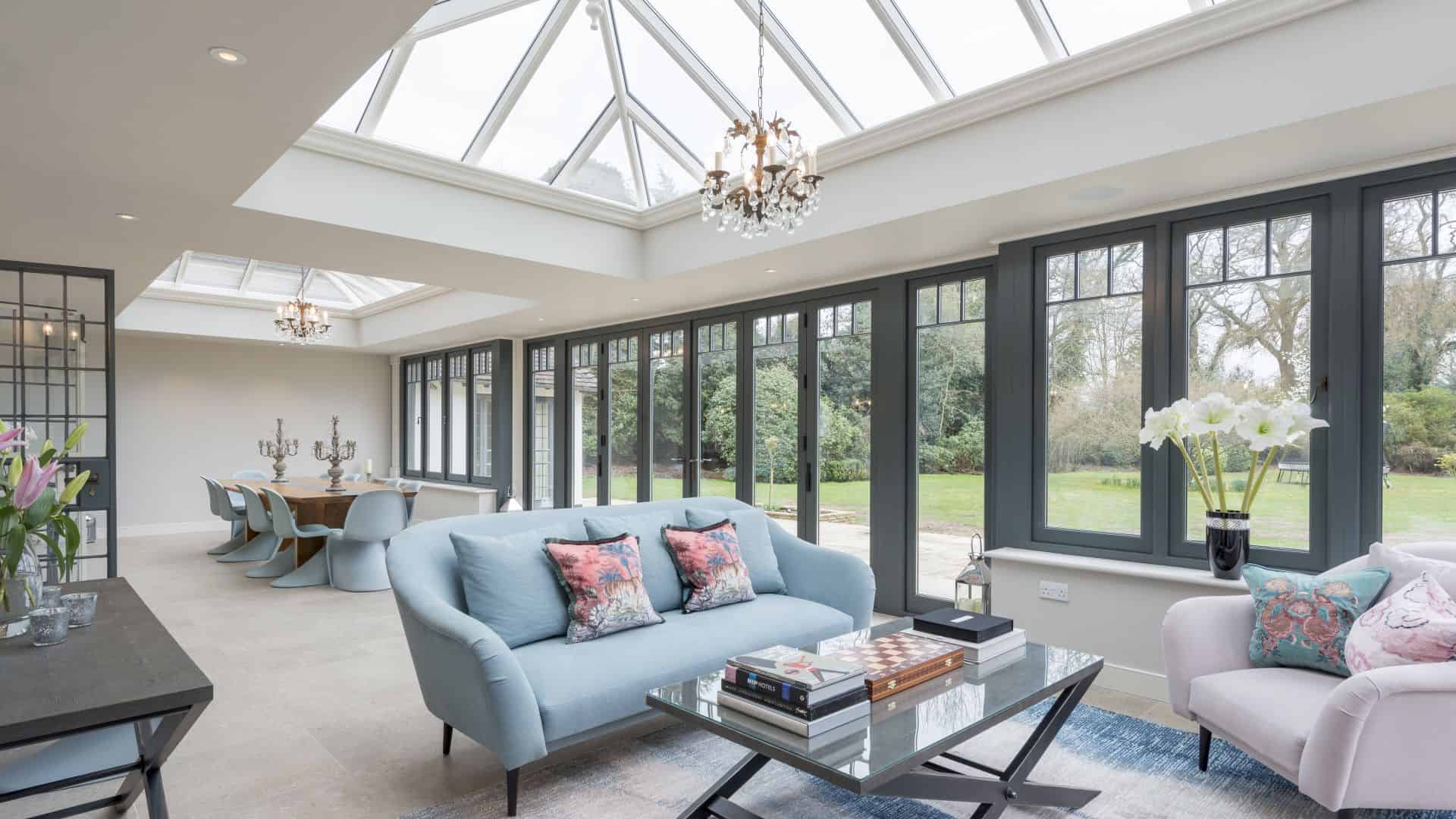
Picture the room you would most like to add to your home. Perhaps it is a kitchen drenched in morning light, a dining room opening onto the garden or somewhere to sit while the seasons change outside. Now consider how that room should feel.
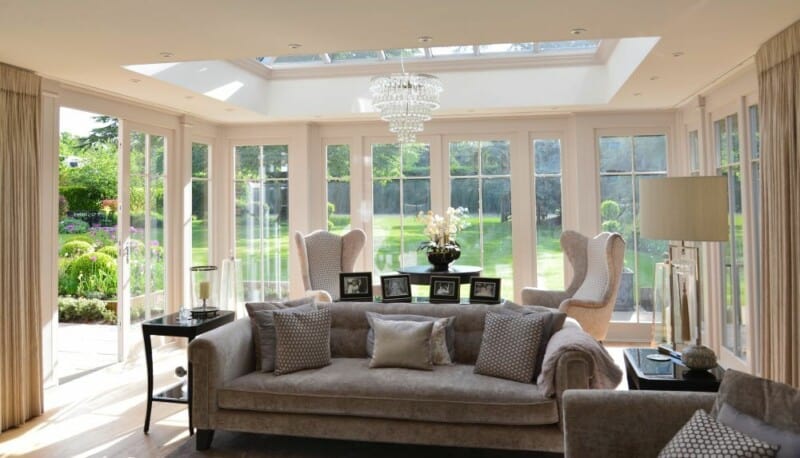
An orangery and a conservatory can create very different experiences, even with the same size footprint. One has the architectural presence of a solid extension, shaped by its roof lantern and masonry. The other surrounds you with glass, bringing the garden into almost every corner.
The choice is less about which is better and more about which feels right for your house and the way you want to use the space.
What is the difference?
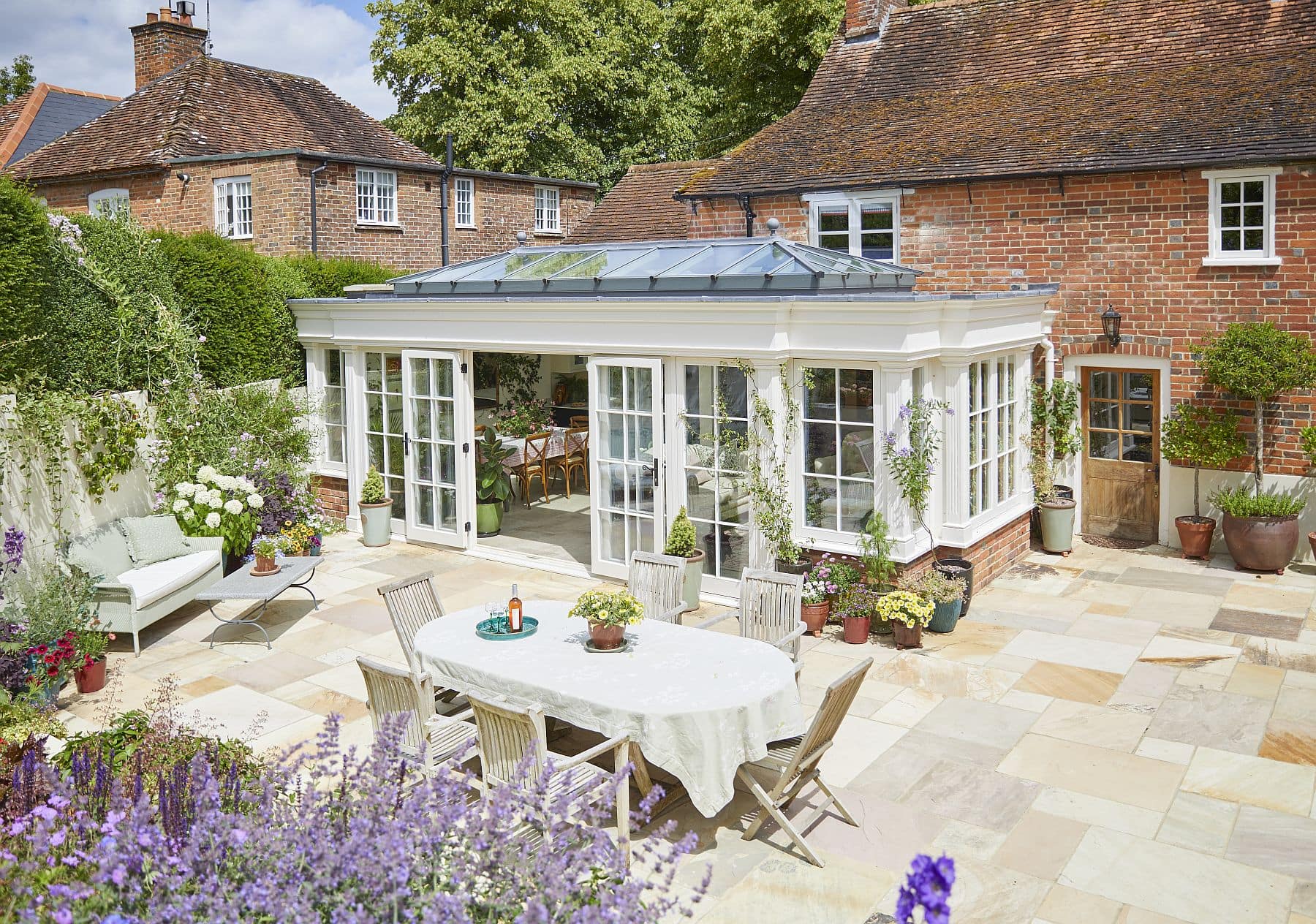
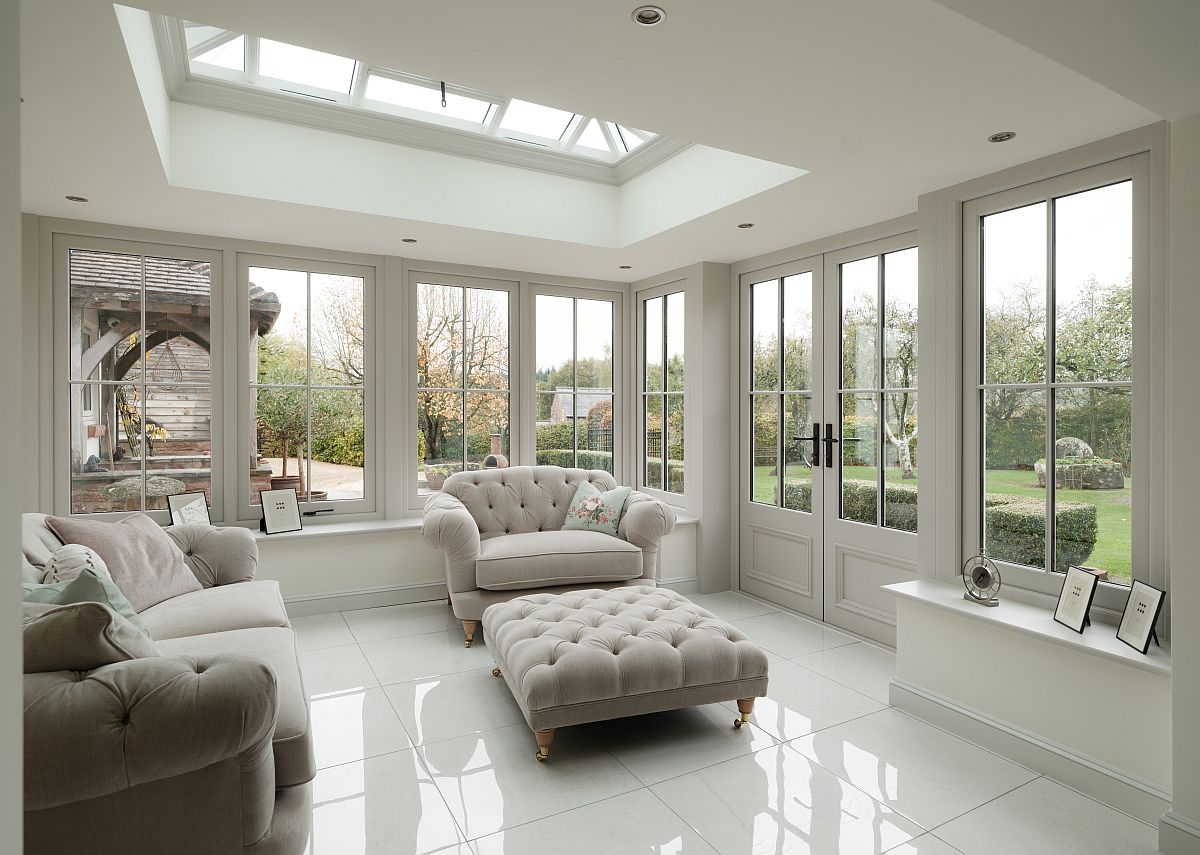
The main difference is the roof. An orangery traditionally has a solid roof, often with a flat roof perimeter and central roof lantern. A conservatory is characterised by a glazed roof and generally a greater proportion of glass around the walls.
An orangery therefore tends to feel more like an extension of the main house, while a conservatory has a lighter, more open character and stronger connection with the garden.
Which Performs better?
An orangery’s solid roof reduces the amount of glass across the overall roof area. With appropriate insulation and high-performance windows, typical of a premium quality orangery extension, it will provide a comfortable room all year round, with thermal performance closer to the rest of the house.
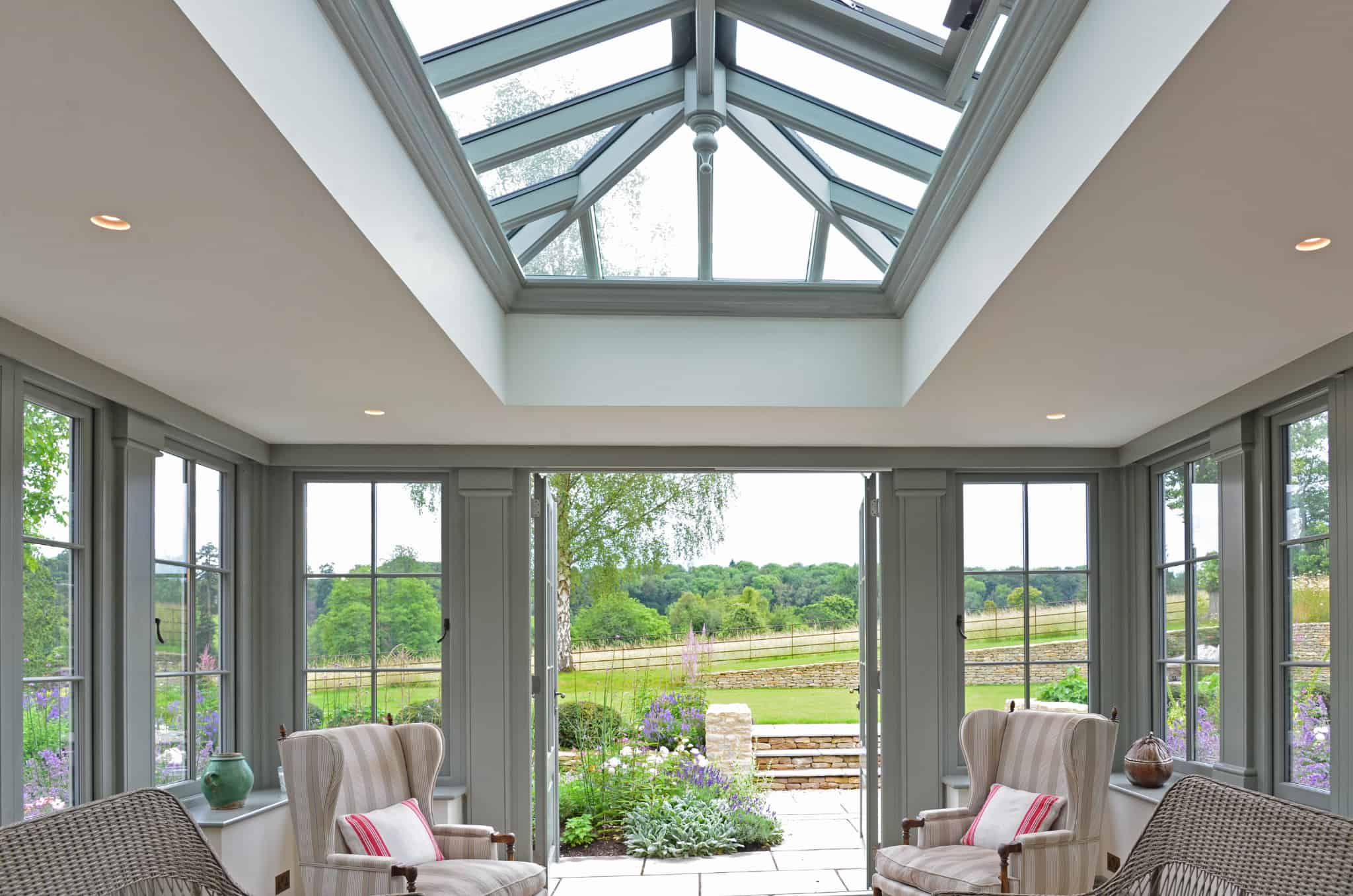
A modern conservatory can also be just as comfortable throughout the year. High-performance glazing, solar control and ventilation are important, however, because the greater amount of glass can increase heat gain in summer and heat loss in winter if poorly specified. Engaging a reputable manufacturer, such as David Salisbury, is the best recommendation to ensure the appropriate specifications.
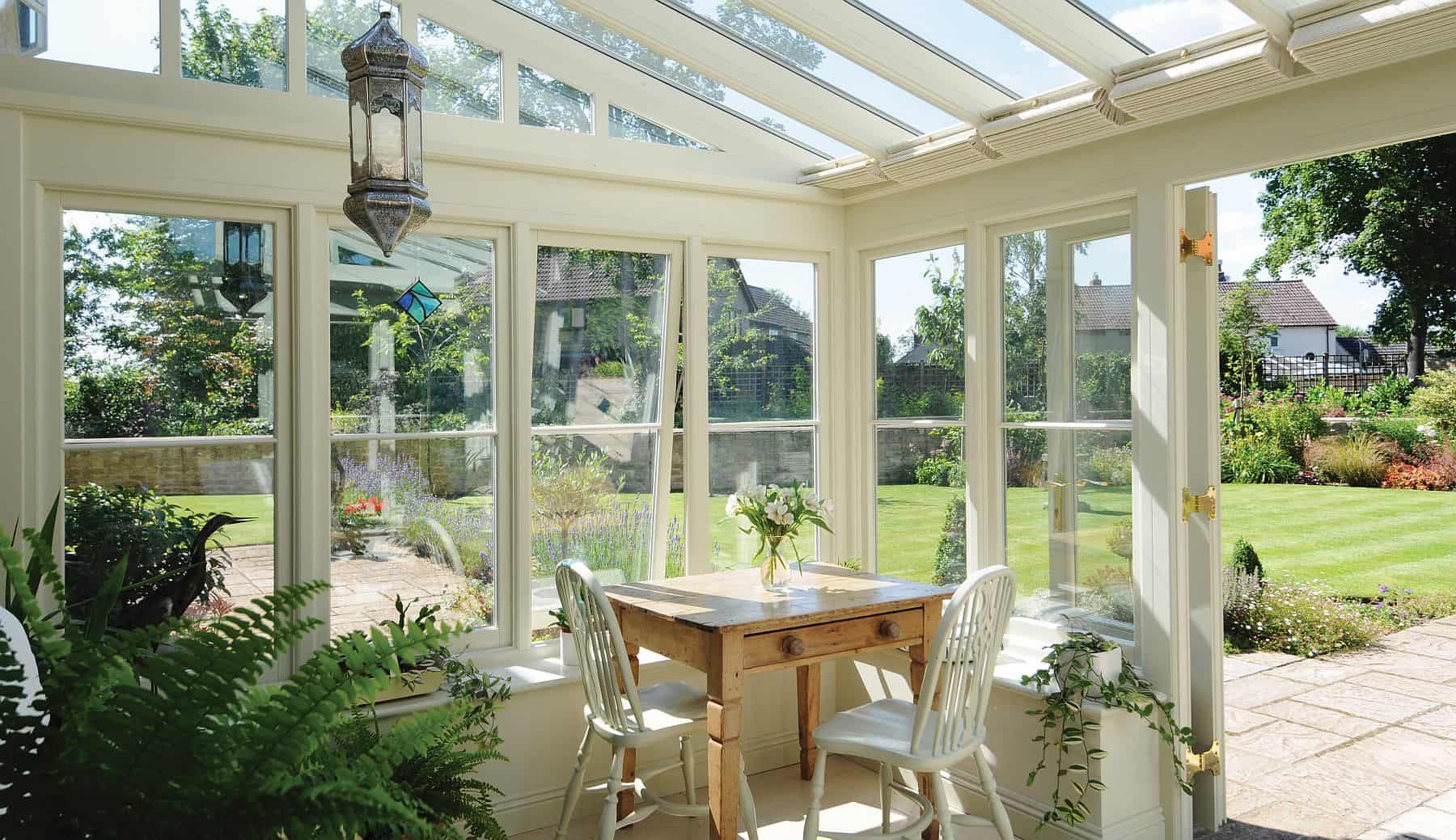
For a kitchen or living room intended for everyday use, an orangery can provide a more conventional room environment. A conservatory offers an exceptional sense of openness and natural light.
Planning & period properties
Both may require planning permission, depending on the size, design and location of the proposed extension. Some projects can fall within permitted development rights, while listed buildings and properties in a conservation area may require additional consents.
Building regulations are a separate consideration, with certain conservatories potentially exempt if specific conditions are met.
For traditional homes, an orangery can echo existing architecture through solid walls, brick pillars, stonework and a carefully proportioned roof lantern. Victorian and Edwardian properties can also suit bespoke timber conservatories with tall windows and considered proportions.
The architecture of the existing house should always guide the design.
Two approaches, two homes
David Salisbury’s bespoke projects demonstrate the difference beautifully. At a period property in Bristol, an existing conservatory was replaced with a bespoke orangery and kitchen, creating a more substantial living space while respecting the property’s conservation area setting.
In Wales, one country house combines both approaches. An east-facing conservatory provides a light-filled space for enjoying the morning sun, while an orangery extends the kitchen to create a generous family dining area.
These projects illustrate an important point: the right choice depends on the room, its aspect and how it will be used.
What about cost?
The nature of designing a wooden orangery or conservatory means the cost will depend on the size, complexity, materials, glazing and bespoke detailing.
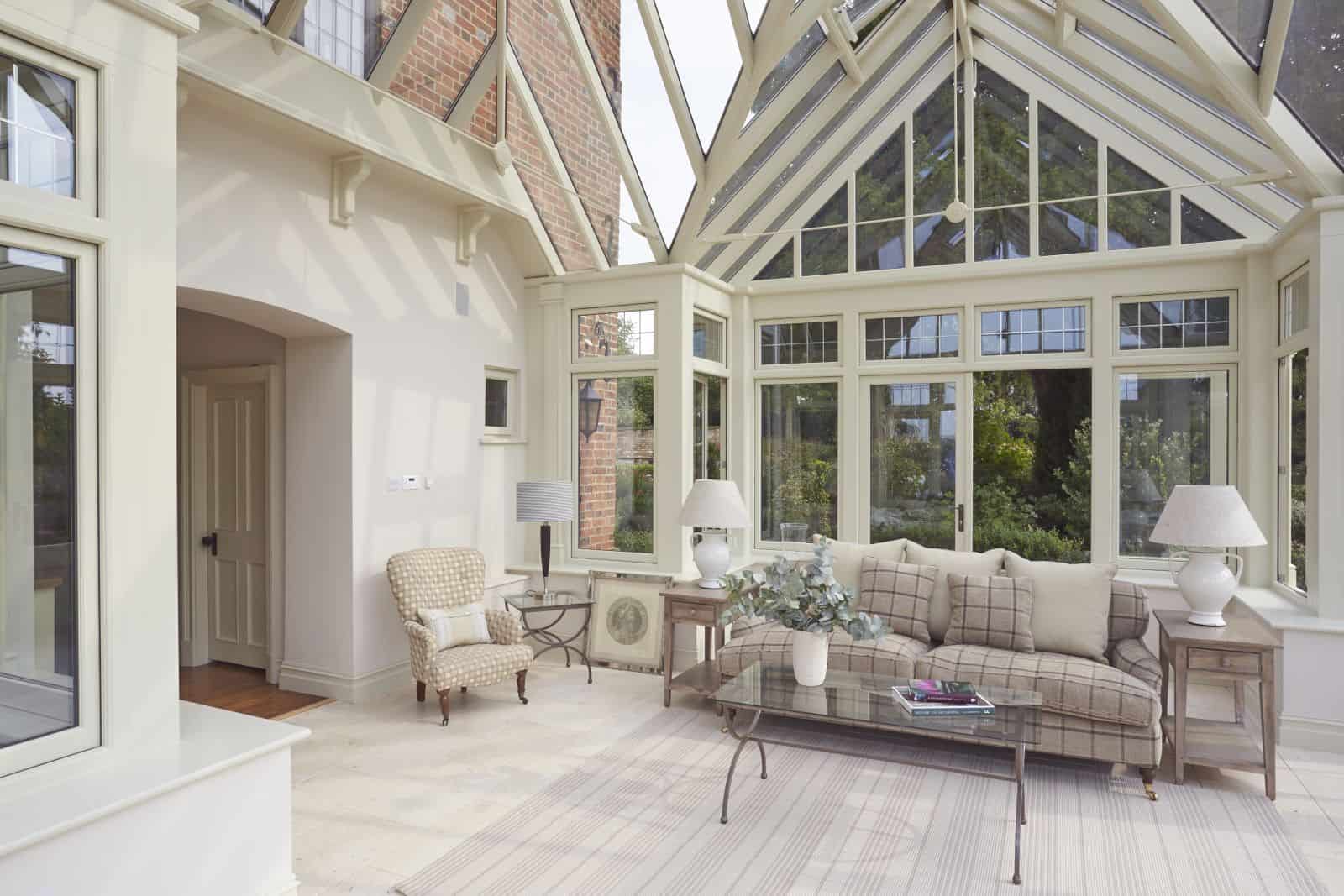
An orangery generally involves more solid construction and a roof lantern, while a conservatory has a greater amount of glazing. The specification of that glazing can significantly affect the overall investment.
The best recommendation is to get some expert design advice from a reputable supplier experienced in both types of structure.
So, which is right for you?
Choose an orangery if you want a substantial room that feels closely connected to the architecture of your home.
Choose a conservatory if your priority is natural light, openness and an especially strong relationship with the garden.
At David Salisbury, every orangery and conservatory is designed around the individual property, its architecture and the way its owners want to live. For more information about our designs, start by arranging a complimentary design consultation.
More Inspirational Reading
-
-
Classic Conservatory Design Ideas
- Trends
- Project
-
5 Best Orangery Living Room Designs
- Trends
- Project
- Lifestyle
Request Our Latest Brochure
Full of inspirational designs to captivate your imagination.

Book a Design Consultation
Our team of expert designers look forward to inspiring you.