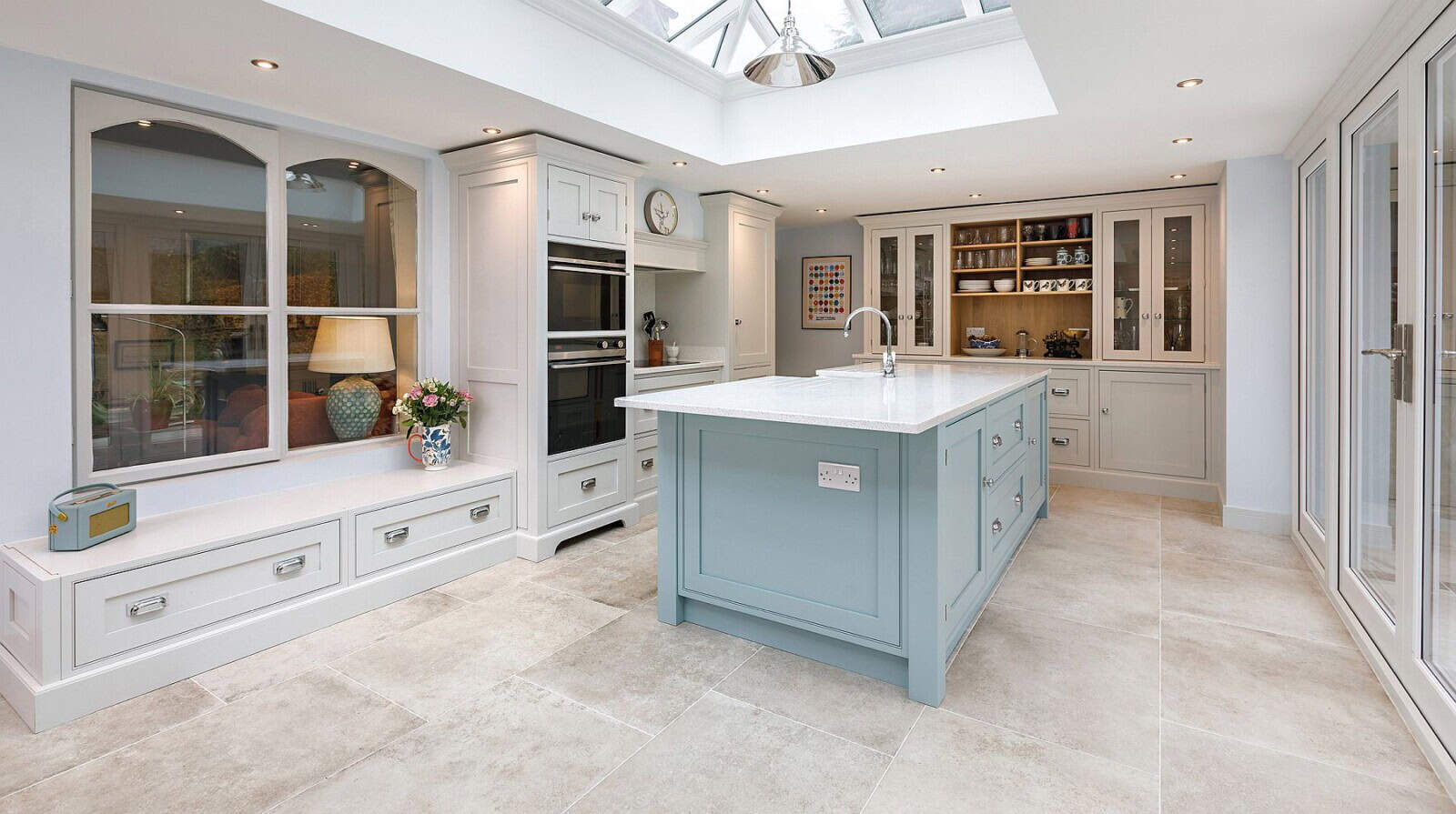
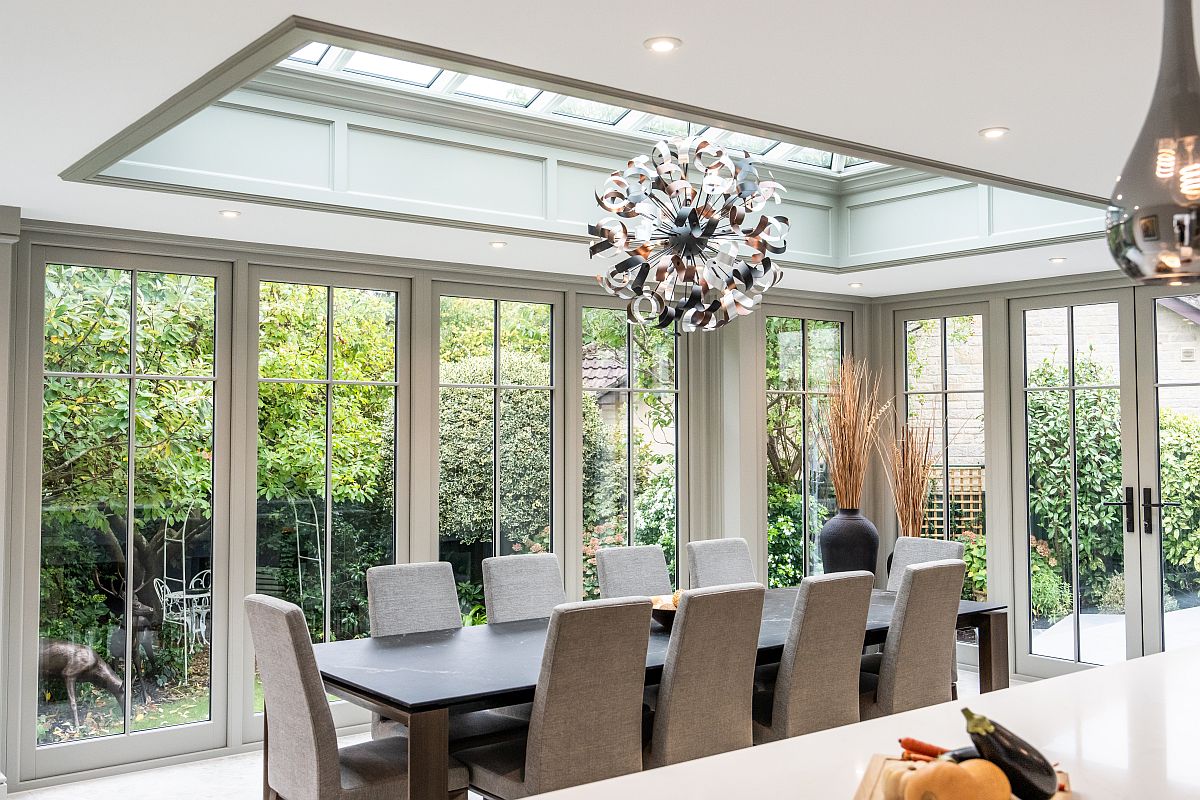
As architects and estate agents know, a kitchen is often where a house reveals its shortcomings. The room may be too enclosed, the dining table squeezed into a corner and the garden tantalisingly close, yet somehow disconnected. Extending can solve the problem, but adding floor area alone does not necessarily make a better room.
A kitchen orangery gives the extension a stronger sense of purpose. Its solid walls provide the space a kitchen needs for cabinetry and extraction, while generous glazing and a roof lantern bring light into the centre of the room. Open the doors to the garden and the whole arrangement begins to make sense: a kitchen that has room to breathe, with dining and living space around it.
That balance between practicality and architecture is what distinguishes an orangery from a conventional extension. And because the structure, windows and kitchen can be designed together, the result can feel remarkably considered, whether it belongs to a Georgian house, a Victorian property or a more contemporary home.
So where do you begin? From choosing the right kitchen style to getting the proportions, glazing, roof and planning considerations right, here is what to think about when creating a kitchen orangery.
What makes a kitchen orangery different?
An orangery sits somewhere between the traditional solidity of an extension and the openness of a glazed garden room. Solid perimeter walls provide valuable wall space for cabinetry, appliances and extraction, while timber-framed windows and a roof lantern introduce natural light.
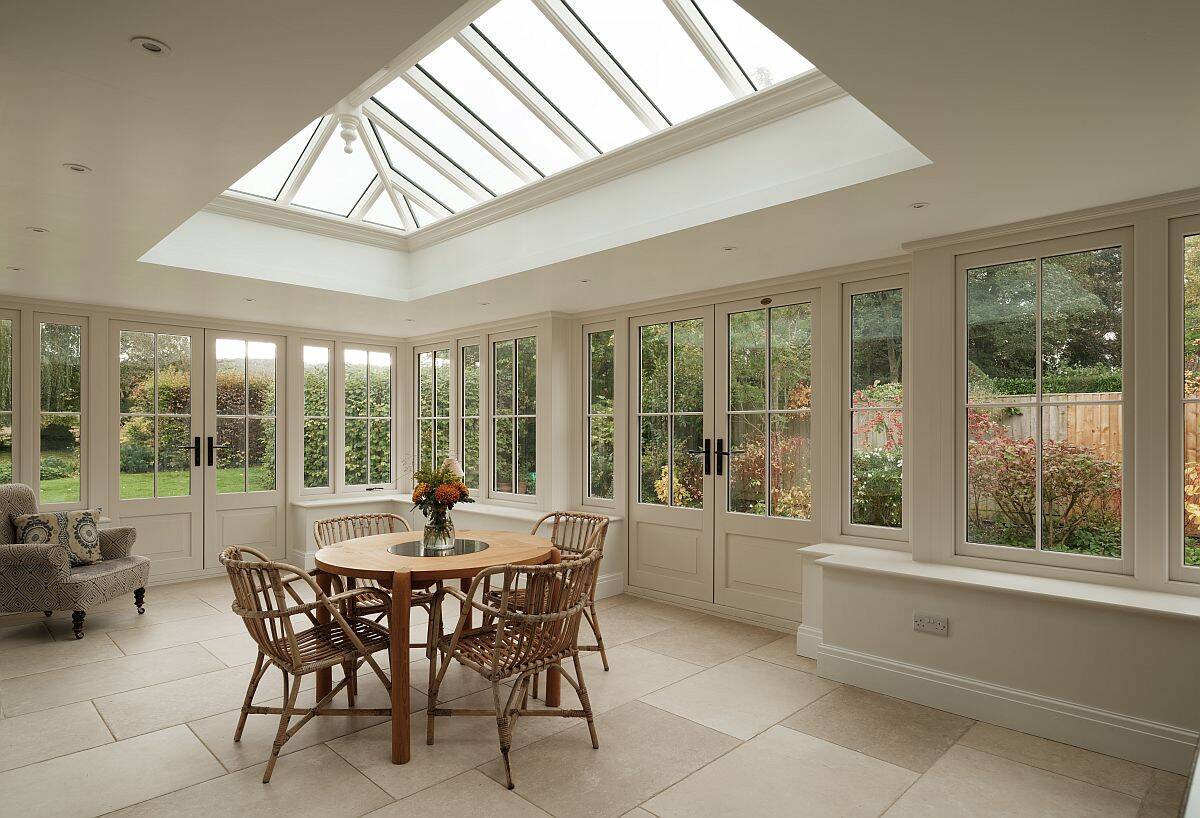
For a kitchen, that distinction matters. The architecture needs to accommodate the practical demands of cooking while creating a room that works just as well for dining, relaxing and spending time together.
Choosing the right Kitchen
At David Salisbury, the kitchen and orangery are considered as one piece of architecture from the outset. Three kitchen ranges offer distinctly different interpretations of the same commitment to craftsmanship.
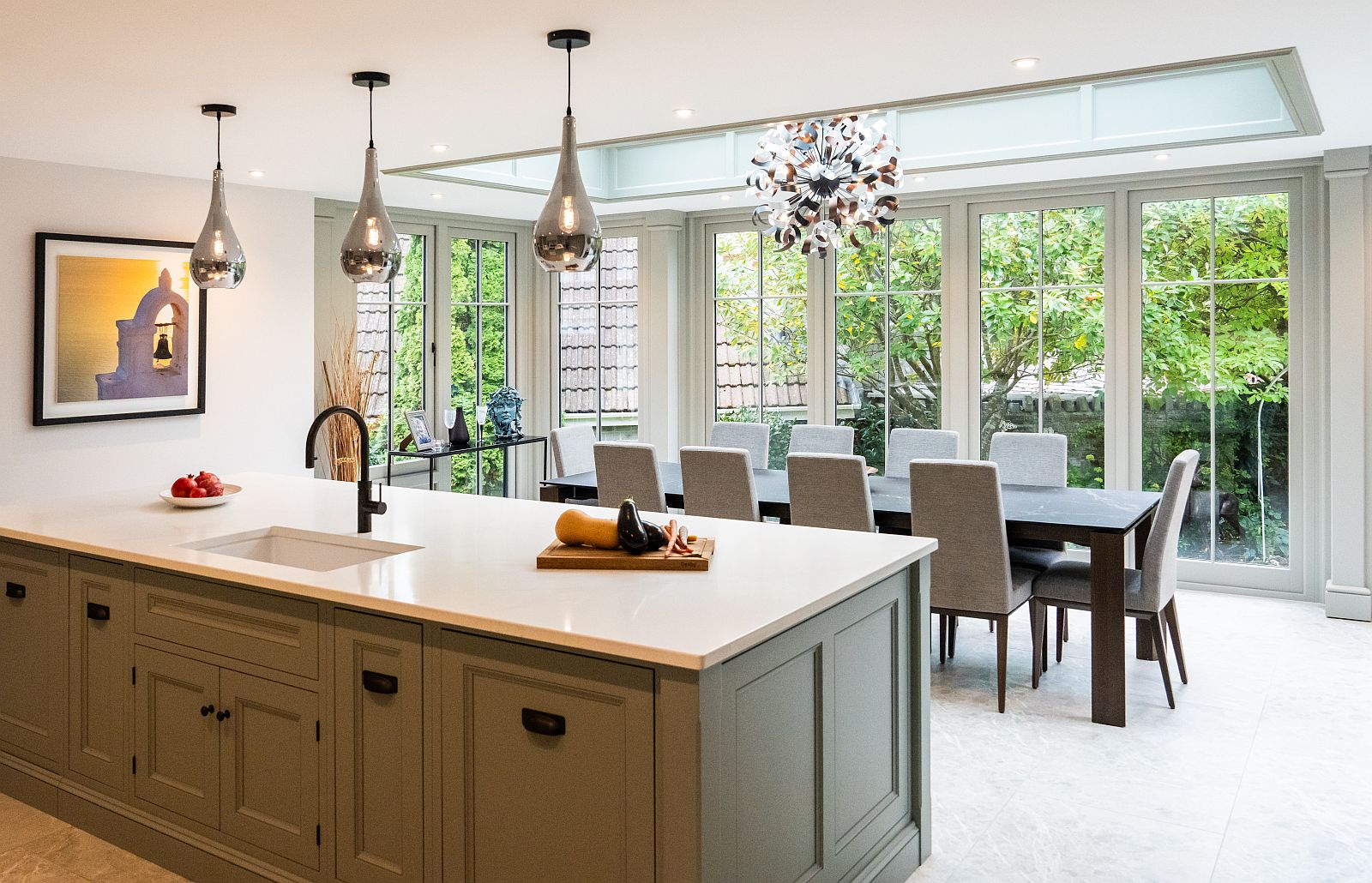
Brompton is the signature Shaker kitchen, with traditional detailing that sits naturally within a period-inspired orangery. Clifton takes the principles of Shaker design in a more contemporary direction, making it particularly suited to cleaner architectural schemes. Windsor uses solid oak cabinetry to create a kitchen with the presence and character of fine furniture.
The choice should complement both the existing property and the way you intend to use the new space.
Getting the Design right
The kitchen layout should influence the dimensions of the orangery, rather than being designed afterwards. Think about the position of the island, dining area and seating, then consider how doors connect these spaces with the garden.
A roof lantern can become a natural focal point, drawing daylight towards the centre of the room. Large windows and French doors can strengthen the connection with the garden, while carefully considered insulation, double glazing and underfloor heating ensure comfort all year round.
Planning permission may not always be necessary. Certain single-storey rear extensions can fall within permitted development rights, subject to specific limits and conditions. Building regulations will generally apply, however, and properties in conservation areas or other designated locations can face additional restrictions. Always seek expert advice, from an experienced contractor like David Salisbury, for your individual property before work begins.
Kitchen Orangery Inspiration
David Salisbury has successfully created kitchen orangeries in a wide variety of settings. Our Case Studies illustrate many different examples, from an orangery which brings kitchen, dining and living together beneath a generous glazed roof in South West London, to a project in Berkshire which uses two lantern roofs to create a sympathetic connection with the proportions of the existing house, and many more inspirational designs besides.
Each is different because the best orangery design responds to the property rather than imposing a formula upon it.
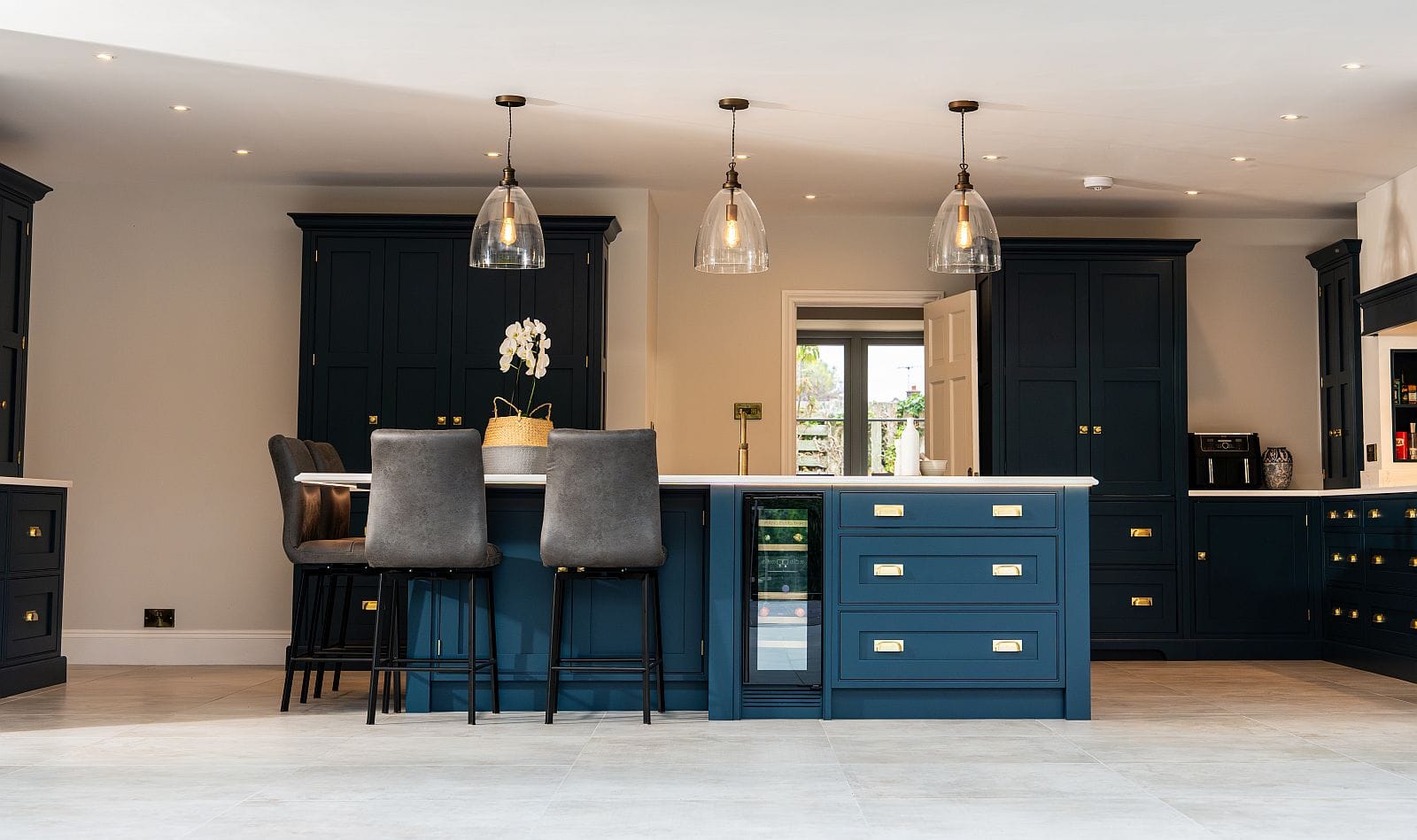
A well-designed kitchen orangery will become the favourite room at home: a space with enough practicality for everyday life, enough character to stand the test of time and a natural relationship with the home and garden. That is what makes it a particularly compelling way to create more space.
For more inspiration around David Salisbury kitchen orangeries, request a brochure here.
More Inspirational Reading
-
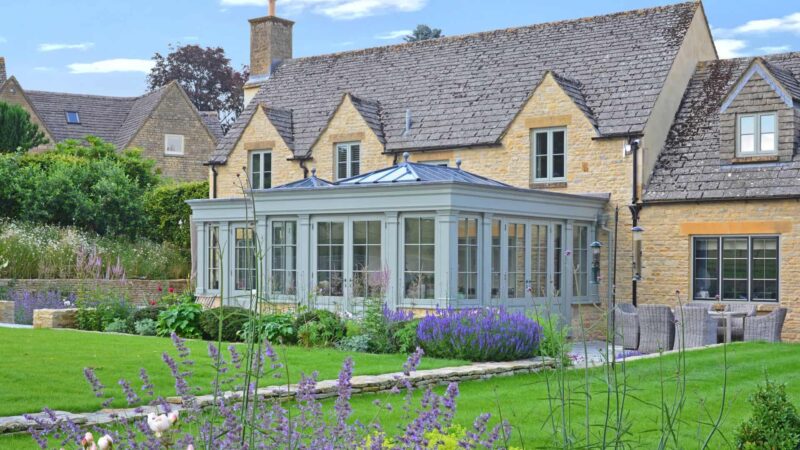
Orangeries Explained: Styles, Materials and What to Expect
- Opinion
- Advice
-
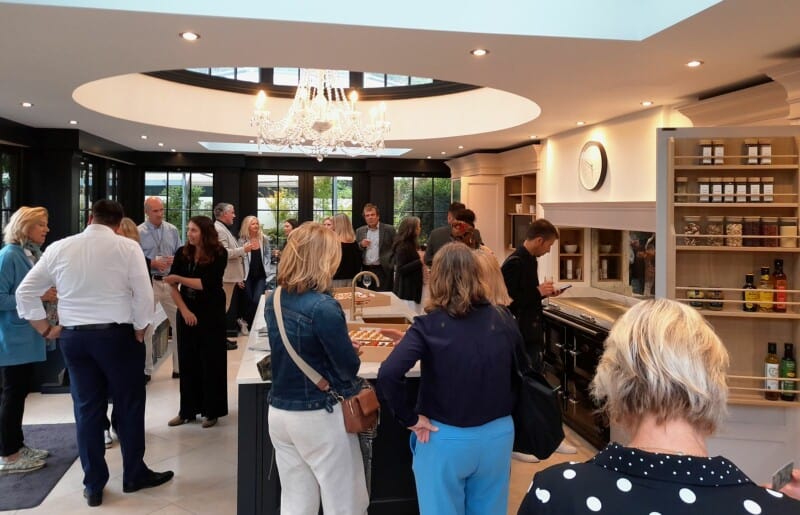
Luxury Kitchens & Natural Materials
- Trends
- Kitchens
- Lifestyle
-
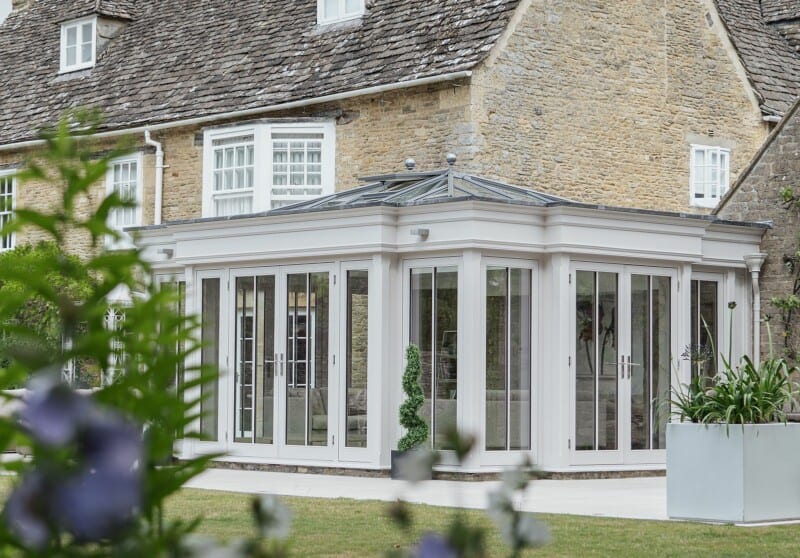
Trends in Luxury Garden Room Design
- Opinion
- Trends
- Lifestyle
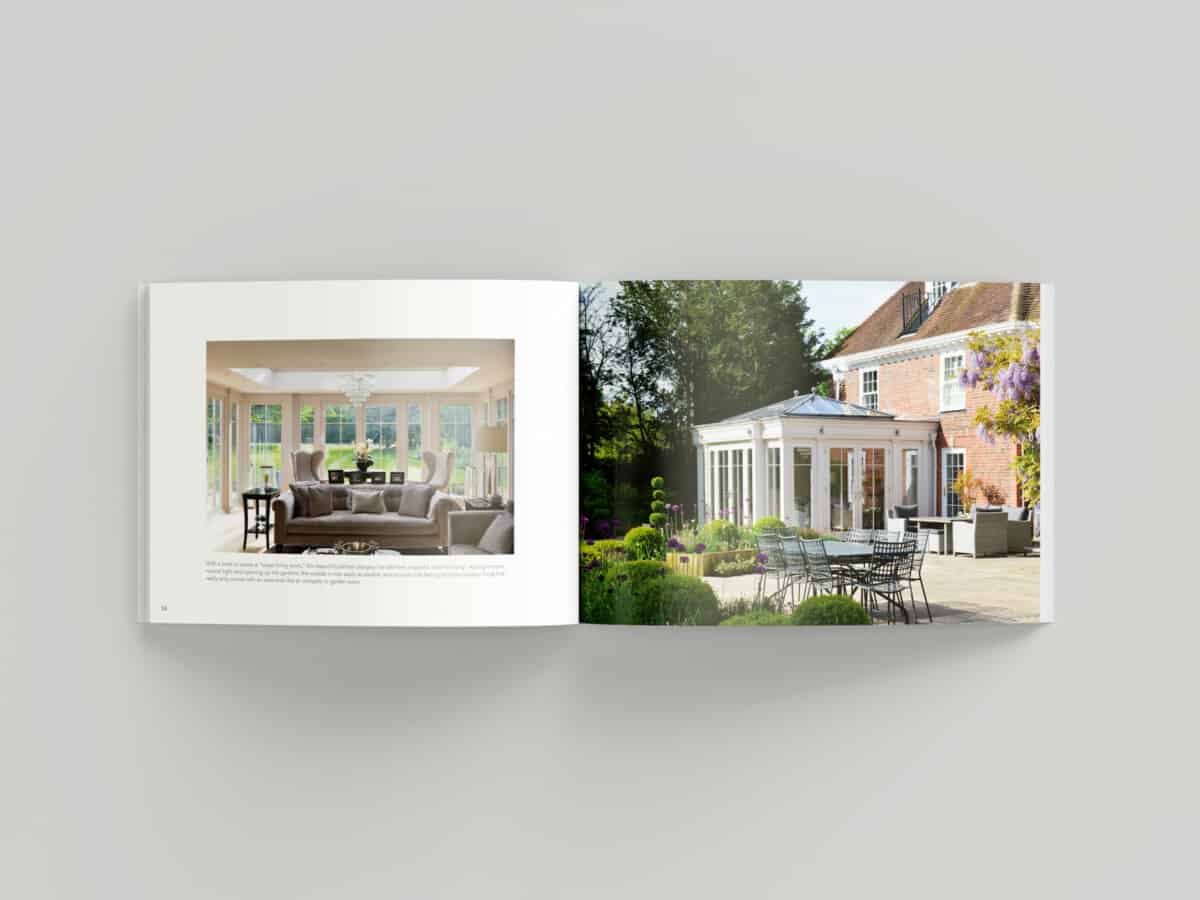
Request Our Latest Brochure
Full of inspirational designs to captivate your imagination.

Book a Design Consultation
Our team of expert designers look forward to inspiring you.